
AR Tools That Bring Blueprints to Life Instantly
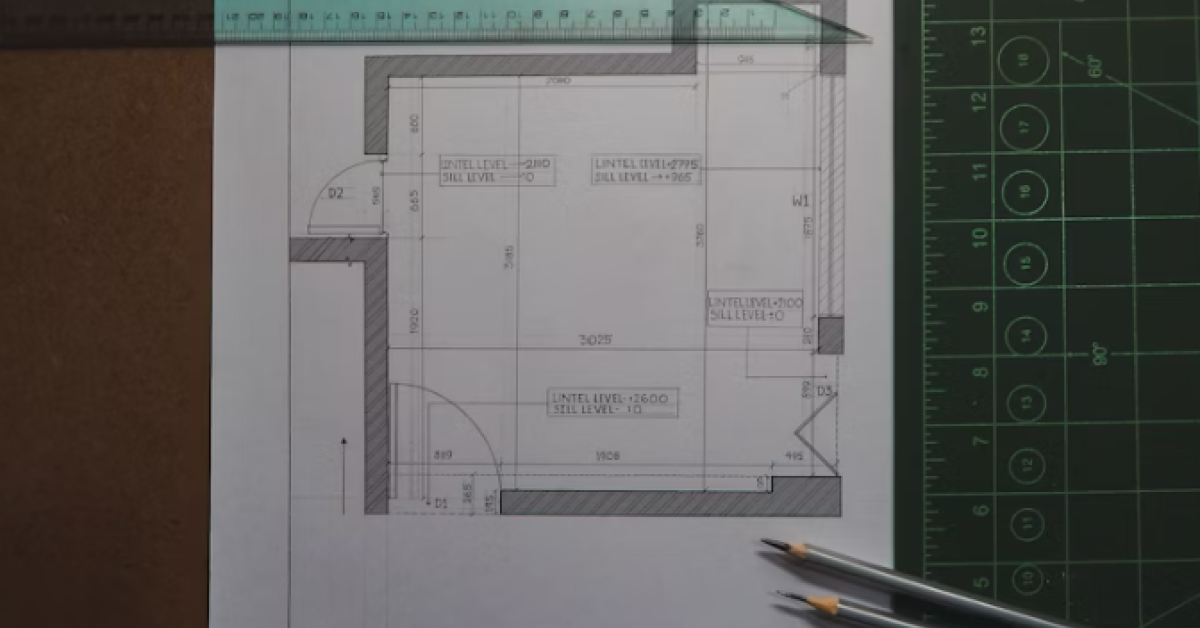
white-printer-paper-with-black-pencil-SOHAM BANERJEE-https://unsplash.com/
AR Tools That Bring Blueprints to Life Instantly
For decades, architects have dreamed of stepping inside their drawings before a single wall is built. That dream now fits in the palm of a hand. With augmented reality (AR), blueprints are no longer static—they move, breathe, and interact. A client can walk through a future home projected onto an empty lot. A designer can stand inside a concept that once existed only on tracing paper.
The Leap from Drawing to Dimension
Augmented reality bridges imagination and experience. Instead of reading symbols and scale bars, viewers now see life-size projections hovering in real space. Walls unfold digitally, materials shimmer under natural light, and design revisions happen mid-conversation. It’s architecture’s most intuitive evolution: seeing, not just imagining.
Inside the Toolkit of Modern Designers
New AR platforms have made immersive visualization accessible even to small studios. They sync with 3D modeling software and generate layered projections instantly. The technology is no longer futuristic—it’s practical, portable, and precise.
Key AR Features Transforming Architecture
- Real-time scaling for on-site spatial understanding
- Interactive material and lighting simulations
- Collaborative multi-user walkthroughs
- Integration with BIM data for accuracy and documentation
Redefining Client Collaboration
For clients unfamiliar with technical drawings, AR becomes a universal language. They can see how sunlight moves through a living room or how a façade feels at human scale. Decision-making accelerates, and costly misunderstandings fade away. Meetings evolve from presentations to shared experiences.
The Subtle Shift in Architectural Mindset
AR tools don’t replace the craft—they deepen it. Designers now think spatially from the first sketch, aware that their lines will soon become immersive. The gap between vision and perception narrows, allowing creativity to meet clarity in real time. In this new era, blueprints aren’t just instructions—they’re invitations to step into possibility.