
Urban Redevelopment Projects Forcing Hidden Class Displacement
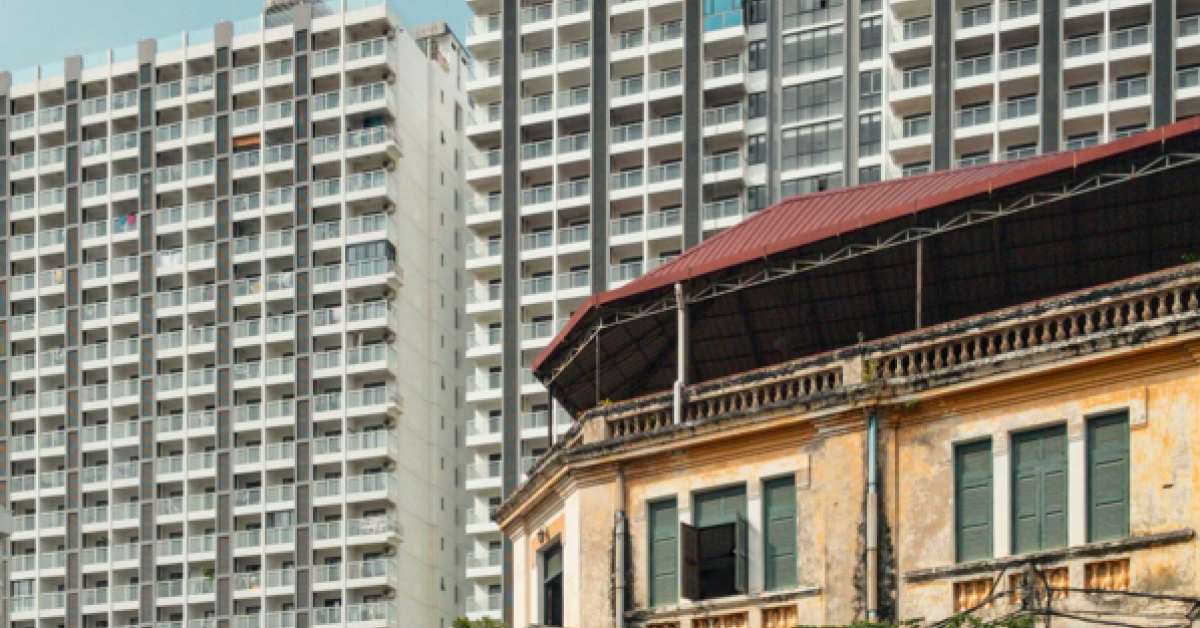
Different Layer of time.-Phanoth DYNA-Unsplash.com
Urban Redevelopment Projects Forcing Hidden Class architecture.finnews.id/listtag/185/displacement">Displacement
At dawn, the smell of wet concrete mingles with the sound of demolition. What was once a neighborhood café now lies beneath scaffolding, its walls marked with fluorescent survey lines. A few meters away, a new billboard rises — glossy renderings of a future skyline, promising a “revitalized urban experience.” The message glows with optimism. But to those who once lived here, it feels like erasure dressed as progress.
When Renewal Means Removal
Urban redevelopment has always promised improvement — cleaner streets, better housing, safer cities. Yet, in many metropolises, the silent side effect is displacement. The old tenants don’t return. The rents double. The sense of belonging evaporates.
“They called it transformation,” says Lina, a former resident of a Jakarta riverside district. “But the only thing that transformed was the people — we disappeared.” Her family’s home, once part of a bustling informal settlement, now stands replaced by a riverside park designed for leisure rather than living.
The Geography of Exclusion
Behind every polished new district lies a map of silent migrations. The displaced rarely make the news; they move quietly to the city’s margins, carrying stories that no blueprint accounts for. The architecture of renewal, while celebrated in awards and magazines, often forgets the people who laid its foundations.
Developers call it progress; urban planners call it revitalization. But to those pushed out, it feels like exile without acknowledgement. Cities evolve, but not all their citizens are invited to evolve with them.
The Aesthetic of Cleanliness
Modern redevelopment favors uniformity — smooth façades, green promenades, curated chaos. The messy vibrancy of old markets gives way to glass pavilions and bike lanes. It photographs beautifully but lives differently. The imperfections that once gave neighborhoods character are replaced by aesthetic control.
- Street vendors replaced by curated kiosks.
- Graffiti walls replaced by art installations.
- Noise replaced by background music.
“It’s not that the city got better,” says Arif, a local shop owner. “It just became less ours.”
The Invisible Architecture of Class
Redevelopment doesn’t just build structures; it redraws social geography. The poor are moved further out, the middle class move up, and the wealthy move in. What emerges is not a city for all, but a city sorted by access — access to views, to transport, to belonging.
Architecturally, it manifests as glass towers standing beside fading tenements. Symbolically, it becomes the skyline of inequality. The new buildings cast long shadows — not just over streets, but over stories.
Memory in the Margins
Some architects are now attempting to design against this erasure. They document memories, incorporate remnants of demolished sites, and consult displaced communities during the design process. These gestures may not halt the tide of redevelopment, but they offer fragments of reconciliation.
In Manila, a new park retains the layout of an old neighborhood’s pathways. In Surabaya, a housing project reused doors salvaged from the homes it replaced. Architecture becomes an act of remembrance — quiet, defiant, incomplete.
The Future of Shared Belonging
Cities cannot remain static. Change is inevitable. But the challenge lies not in growth itself, but in who gets to remain visible within it. Redevelopment should not be a transaction of displacement, but a negotiation of coexistence.
Perhaps the most radical act in future urbanism won’t be building higher or faster, but listening longer — to those whose voices fade beneath the sound of progress.