
The Role of AI in Modern Architectural Planning Today
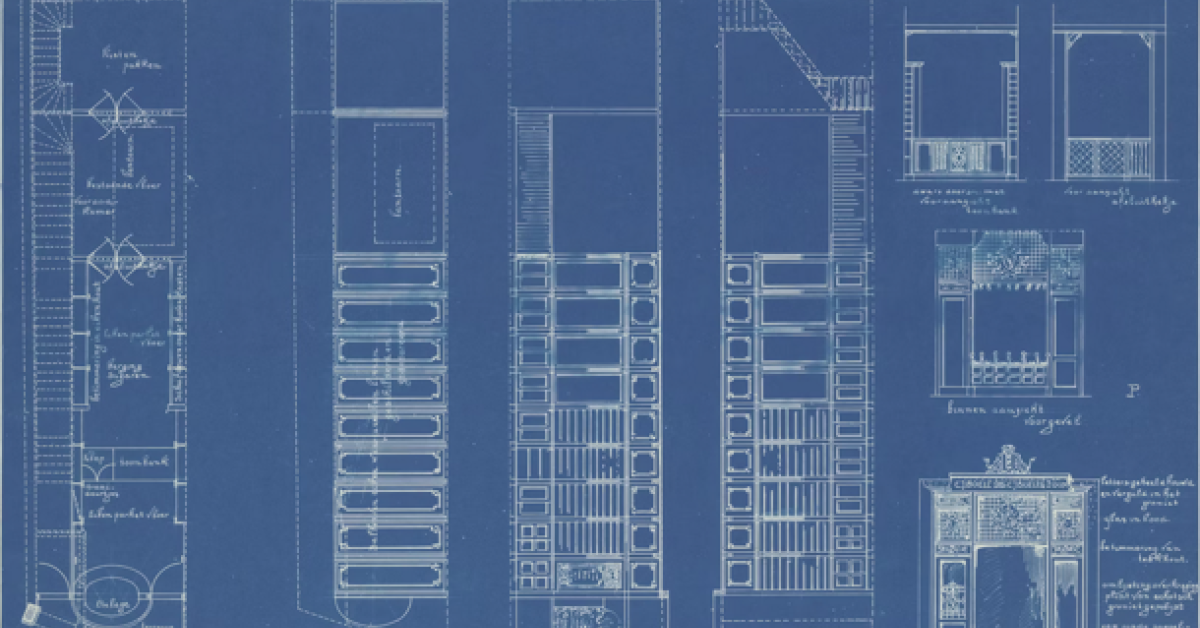
Titel: Verbouwing van Damrak 70 voor de firma C.J. Boele. Ontwerptekening in blauwdruk met plattegrond. Beschrijving: Aanzichten van wanden en plafond en opstand van de winkelpui.-Amsterdam City Archives-Unsplash.com
The Role of AI in Modern Architectural Planning Today
Architectural planning has entered a new digital era. Artificial intelligence is not a distant idea or a futuristic theory—it is a present force quietly shaping how cities, buildings, and entire infrastructures come to life. While architecture has always been influenced by technological tools, AI is different. It does not just assist in creating drawings or simulations. It thinks, learns, and predicts, introducing an entirely new logic to design.
Modern architecture once relied on sketches and models to visualize spaces. Now, AI transforms this process into a data-driven exploration. It collects environmental, social, and behavioral information to suggest design strategies that respond dynamically to human needs. This shift moves architecture from a static discipline into one capable of continuous adaptation. AI transforms the role of the architect from a creator of fixed structures to a designer of intelligent systems.
From Blueprint to Algorithm
The architectural blueprint has evolved into an algorithmic language. Generative design software allows architects to set goals—such as sunlight optimization or material efficiency—and watch as AI produces hundreds of potential layouts. These systems analyze performance in real time, discarding inefficient options and highlighting the most effective solutions.
In practice, this means an architect working on a high-rise building no longer starts with one concept but with thousands. AI evaluates how each design interacts with wind, heat, or public space. The results are not random but mathematically precise, reducing waste and improving comfort. The process resembles evolution: designs compete, adapt, and survive based on data-driven criteria.
- AI systems optimize building performance through environmental simulations.
- Machine learning models predict future maintenance and material durability.
- Automated planning tools balance aesthetic value with construction feasibility.
- Design software integrates real-time feedback from users and city data.
This algorithmic shift has brought a cultural change to the industry. Architects who once worked with rulers and pencils now analyze data patterns and design variables. The artistry remains, but it is amplified by the precision of computation.
AI as a Co-Designer, Not a Competitor
Many fear that artificial intelligence might replace human creativity. Yet the reality unfolding in architectural studios worldwide shows the opposite. AI does not remove the human element—it enhances it. By handling repetitive and analytical tasks, AI frees architects to explore more imaginative and conceptual aspects of their work.
When designing complex urban structures, architects often face trade-offs between form, function, and sustainability. AI helps resolve these tensions. It can simulate energy flow, structural stress, and pedestrian movement before construction even begins. Instead of spending weeks adjusting layouts, architects can now test dozens of possibilities in hours, refining their vision with greater clarity.
In this sense, AI acts like a creative partner—one that suggests alternatives, questions assumptions, and provides measurable insight. It does not erase the human touch but gives it sharper tools and wider horizons.
Smart Cities and Data-Driven Design
The rise of AI coincides with the global movement toward smart cities. Urban planning is becoming increasingly reliant on data collected from sensors, vehicles, and mobile devices. This information reveals how people move, where energy is consumed, and how weather patterns affect urban life. AI interprets these signals, turning them into insights that shape better, more efficient environments.
In Singapore, for example, AI models simulate how new developments affect traffic and air quality. In Copenhagen, smart systems analyze energy use across districts to improve efficiency. In New York, AI-driven zoning tools predict how sunlight and shadows will impact surrounding neighborhoods. Each example demonstrates a profound shift—from reactive to predictive design.
- AI identifies patterns in urban behavior, guiding sustainable growth.
- Predictive modeling ensures buildings integrate smoothly into city systems.
- Smart infrastructure allows real-time adjustments to human activity.
- Architects use AI to bridge the gap between design and environmental policy.
As cities expand, this data-driven planning helps reduce congestion, cut emissions, and enhance quality of life. It makes architecture part of a living ecosystem—responsive and intelligent.
Challenges of Integrating AI in Architecture
Despite its promise, the adoption of AI in architectural planning comes with challenges. Data bias can lead to flawed design outcomes, especially when algorithms are trained on limited or unrepresentative datasets. Ethical questions also arise regarding surveillance, privacy, and control in smart urban systems. The architecture community must navigate these issues carefully, ensuring that technology serves public interest rather than commercial convenience.
Another concern lies in the human factor. Not all professionals are prepared for this technological leap. Many firms lack the infrastructure or expertise to fully implement AI tools. Education systems must evolve to equip future architects with coding, data analysis, and algorithmic thinking—skills once considered outside the discipline.
Yet these challenges are not insurmountable. They represent growing pains in an industry learning to merge art with computation. The more architects engage critically with technology, the more nuanced and inclusive AI’s role will become.
New Roles and Skills for the Digital Architect
The modern architect must now master more than design principles. They must understand data ethics, machine learning basics, and digital fabrication. This broad skill set does not dilute their creative identity—it expands it. Architects are becoming orchestrators of complex systems that combine environment, technology, and human behavior.
In architectural firms around the world, new job titles are emerging: Computational Designer, Algorithmic Architect, and Building Performance Analyst. These roles represent the hybrid nature of modern design teams. Collaboration now happens across disciplines—between programmers, urban planners, and behavioral scientists. Together, they redefine how spaces are conceived and built.
AI also transforms client relationships. Design presentations are no longer limited to 3D models but include data-driven forecasts of performance, energy consumption, and lifecycle cost. Clients can visualize not only what a building looks like but how it will behave over decades. This transparency builds trust and aligns design intent with measurable outcomes.
The Human Touch in an Automated World
Even in a world driven by automation, architecture remains deeply human. AI can calculate and simulate, but it cannot feel. It cannot interpret emotion, memory, or the intangible essence of place. These remain the architect’s domain. The most advanced systems still rely on human judgment to interpret what makes a space meaningful.
Architects bring empathy, cultural understanding, and artistic intention—qualities no algorithm can replicate. The future of architectural planning will therefore depend on a dialogue between intelligence and intuition. The machine may guide the process, but the human defines the purpose.
Across studios, universities, and construction sites, the partnership between architects and AI continues to evolve. It is not a replacement, but a redefinition—a way to combine logic with imagination. As artificial intelligence grows more capable, architecture has the chance to become more human than ever, designing spaces that reflect not only data but the depth of human experience.