
Material Selection Hacks For Long-Lasting Low-Maintenance Buildings
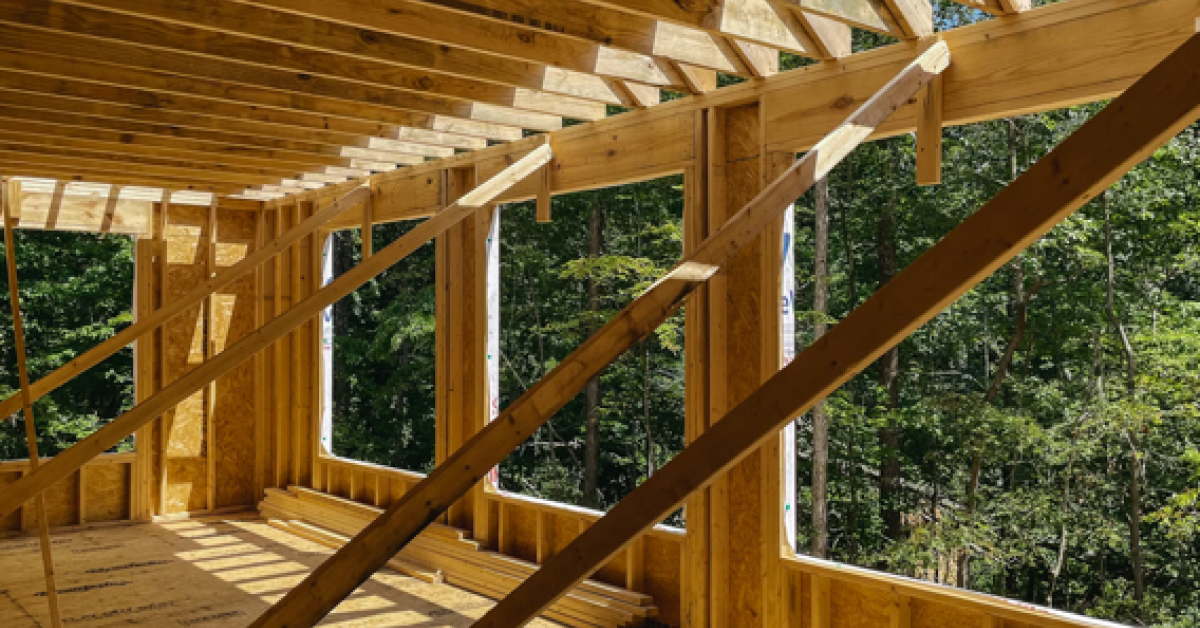
Construction Site Framing New Home-Rosemary Media-Unsplash.com
Material Selection Hacks For Long-Lasting Low-Maintenance Buildings
Every building tells a story — not just of the people who inhabit it, but of the materials that hold it together. From sun-faded facades to creaking floors, time reveals which choices were wise and which were short-lived. Somewhere between durability and design lies the hidden art of material selection, where architects decide how a building will endure, age, and even fail.
When Beauty Fades, Structure Speaks
In the rush of modern construction, longevity often takes a backseat to speed and cost. Yet, as maintenance budgets rise and sustainability becomes more than a slogan, architects are rethinking what it means for a building to “last.” A structure that survives decades with minimal repair isn’t just efficient — it’s responsible.
Durability begins not with maintenance manuals, but with materials that understand their environment. Whether it’s resisting corrosion, withstanding humidity, or blending with local conditions, longevity starts long before the first brick is laid.
Principles of Choosing Enduring Materials
Good material selection isn’t about picking the most expensive option. It’s about compatibility — between design intent, function, and climate. Architects use a few guiding principles when aiming for resilience:
- Local Relevance: Materials that thrive in a specific climate often outperform imported alternatives. Think volcanic stone in Bali or adobe in Mexico.
- Life-Cycle Awareness: Evaluating materials not just for their installation cost but their maintenance and end-of-life recyclability.
- Low Porosity: Reducing moisture absorption helps prevent cracking, rot, and structural decay.
- Material Harmony: Some combinations — like steel and concrete — expand and contract differently, causing long-term stress. Compatibility matters.
Timeless Examples from the Past
In Rome, marble still gleams under centuries of rain. In Kyoto, timber temples stand strong despite humidity and earthquakes. These ancient marvels prove that longevity is less about technology and more about wisdom. Builders of the past understood that a wall must breathe, expand, and move with its environment.
That philosophy continues today. Many sustainable architects are reviving the use of natural materials that age beautifully — like clay plasters that repair themselves through humidity or untreated wood that silvers gracefully with time.
Modern Material Innovations
Technology is breathing new life into age-old challenges. Engineers now create composites that mimic natural properties while reducing maintenance. For example:
- Self-Healing Concrete: Embedded bacteria activate when cracks form, sealing them automatically.
- Fiber-Reinforced Polymers: Lightweight yet strong materials that resist corrosion and structural fatigue.
- Nanocoatings: Invisible layers that repel dirt and water, keeping surfaces cleaner for longer.
- Engineered Timber: Cross-laminated wood that matches steel in strength while offering renewable sourcing.
Designing for Maintenance, Not Against It
Low-maintenance design doesn’t mean “no maintenance.” It means understanding how materials behave and designing systems that make upkeep intuitive. Architects often plan for easy access to mechanical systems, modular facades for quick replacement, and finishes that conceal wear gracefully.
As one architect once said, “Maintenance isn’t the enemy — neglect is.” Buildings should be designed to invite care, not discourage it. When materials are chosen with empathy for time, even decay becomes aesthetic, not failure.
The Cost of Neglecting Material Wisdom
Many modern buildings face premature aging because they ignored the context of material use. Imported marble that cracks in tropical humidity. Steel facades that rust under coastal salt air. Concrete that weathers unevenly under acid rain. Each failure tells the same lesson: no material is truly low-maintenance if it’s placed in the wrong setting.
The Quiet Beauty of Longevity
There’s a quiet dignity in buildings that age well. Their imperfections tell stories of weather, seasons, and human touch. Instead of fighting time, they collaborate with it. Choosing materials that accept this truth turns architecture from an object into an organism — one that lives, breathes, and transforms without ever losing its strength.
As the construction world leans toward speed, it’s easy to forget that endurance is elegance. Material selection isn’t just a technical decision; it’s a moral one — about what we build, how we maintain it, and how long we expect it to last after we’re gone. In the end, the most sustainable buildings aren’t the ones that promise zero maintenance, but the ones that continue to stand quietly, adapting to the stories time leaves behind.